
Drainage issues can transform your otherwise pristine yard into a problematic swamp. Whether it’s due to heavy rainfall, improper grading, or poor soil absorption, these issues can pose serious threats to your landscape, home foundation, and even your wellbeing. Addressing these problems often requires more than a simple fix; sometimes, effective dirt work becomes essential.
Understanding the causes and solutions for yard drainage problems is crucial for every homeowner. By exploring the intricacies of dirt work, you can ensure your yard remains healthy, beautiful, and functional.
Identifying Common Yard Drainage Problems
Before you can fix drainage issues, you need to identify what exactly is causing the problem. Often, drainage issues manifest as standing water, eroded soil, or even water seeping into your basement. Recognizing these signs early can help prevent more severe damage.
One common cause of poor drainage is compacted soil. Over time, soil can become compacted due to heavy foot traffic or construction, reducing its ability to absorb water effectively. Another frequent issue is improper grading, where the slope of the land directs water toward the house instead of away from it. Additionally, clay-heavy soil can impede water absorption, leading to pooling water and erosion.
By understanding these common issues, homeowners can begin to address the root causes of their drainage problems rather than merely treating the symptoms.
The Role of Dirt Work in Solving Drainage Problems
Dirt work involves the strategic movement and alteration of soil to improve landscape functionality. In the context of drainage, it often means reshaping the land to facilitate better water flow and absorption. This can include a variety of techniques, each suited to different circumstances.
Grading is one of the most essential dirt work techniques. Proper grading ensures that water flows away from your home and towards designated drainage areas. This process often involves leveling or sloping the land, which can prevent water from pooling near the foundation of your home.
Another technique is the installation of dry wells or French drains. These systems collect and redirect water away from problem areas. By incorporating gravel and perforated pipes, they allow water to percolate into the ground slowly, reducing surface water accumulation. Such installations can be particularly effective in areas with heavy clay soil.
Assessing Soil Type and Its Impact on Drainage
The type of soil in your yard significantly affects drainage. Sandy soils, for example, allow water to pass through quickly, minimizing standing water issues. However, they can lead to drought conditions if not managed properly. On the other hand, clay soils retain water, often resulting in waterlogged yards.
To determine your soil type, you can perform a simple jar test. Fill a jar with a soil sample, add water, and shake it vigorously. After letting it settle for 24 hours, observe the layers. Sand will settle at the bottom, silt in the middle, and clay on top. Understanding your soil composition is the first step in implementing effective drainage solutions.
For clay-heavy soils, incorporating organic matter or gypsum can improve drainage. This process, known as soil amendment, helps to break up compacted soil, improving water infiltration and root growth. Alternatively, sandy soils may benefit from the addition of organic matter to improve water retention.
Implementing Effective Drainage Solutions
Once you’ve identified the causes of your yard’s drainage problems and assessed your soil type, you can implement targeted solutions. These solutions may require professional assistance, especially for more complex issues.

In some cases, simply regrading your yard may be sufficient. However, for more severe problems, you may need to install a comprehensive drainage system. French drains, rain gardens, and dry wells are all effective methods of redirecting water and improving absorption.
A French drain is a trench filled with gravel and a perforated pipe that redirects surface and groundwater away from a specific area. Similarly, rain gardens use native plants and soil to naturally absorb and filter rainwater, reducing runoff and promoting biodiversity.
Preventive Measures to Avoid Future Drainage Issues
Prevention is often the best cure when it comes to drainage issues. Regular yard maintenance can help prevent future problems. Ensure gutters and downspouts are clear of debris so they can effectively direct water away from your home.
Consider incorporating landscaping features such as swales. A swale is a shallow channel designed to manage water runoff, redirecting it to an area where it can be absorbed. Planting deep-rooted vegetation can also help improve soil structure and water absorption over time.
Finally, routine inspections and soil testing can help you stay ahead of potential issues. By understanding your yard’s unique characteristics, you can implement timely interventions before minor issues escalate into major problems.
Seeking Professional Help for Complex Issues
While some drainage issues can be addressed through DIY solutions, others may require professional intervention. If your home experiences severe flooding, persistent water pooling, or if drainage problems threaten your home’s foundation, it’s imperative to consult with a professional.
Professional landscapers and drainage experts can offer tailored solutions based on your yard’s specific needs. They can assess your property, identify potential problems, and implement the most effective solutions, ensuring long-term functionality and aesthetic appeal.
Moreover, professionals have access to specialized equipment and materials that may not be available to the average homeowner. Their expertise can help prevent costly mistakes and ensure that your drainage system is both effective and sustainable.
Maintaining a Healthy, Functional Yard
Yard drainage issues can be more than a minor inconvenience; they can lead to significant damage and costly repairs if not addressed promptly. Understanding the root causes of these problems and exploring effective dirt work solutions is crucial for maintaining a healthy and functional yard.
By assessing soil types, implementing targeted solutions, and seeking professional help when necessary, homeowners can effectively manage drainage issues. Incorporating preventive measures and regular maintenance can further ensure your landscape remains beautiful and trouble-free for years to come.
For those eager to learn more about yard drainage, consider exploring resources like the EPA’s guide on rain gardens.
Beyond the technical aspects, addressing drainage problems in your yard can also enhance its aesthetic appeal and environmental impact. By integrating eco-friendly solutions, you not only solve drainage issues but also contribute positively to the ecosystem.
Incorporating Sustainable Practices
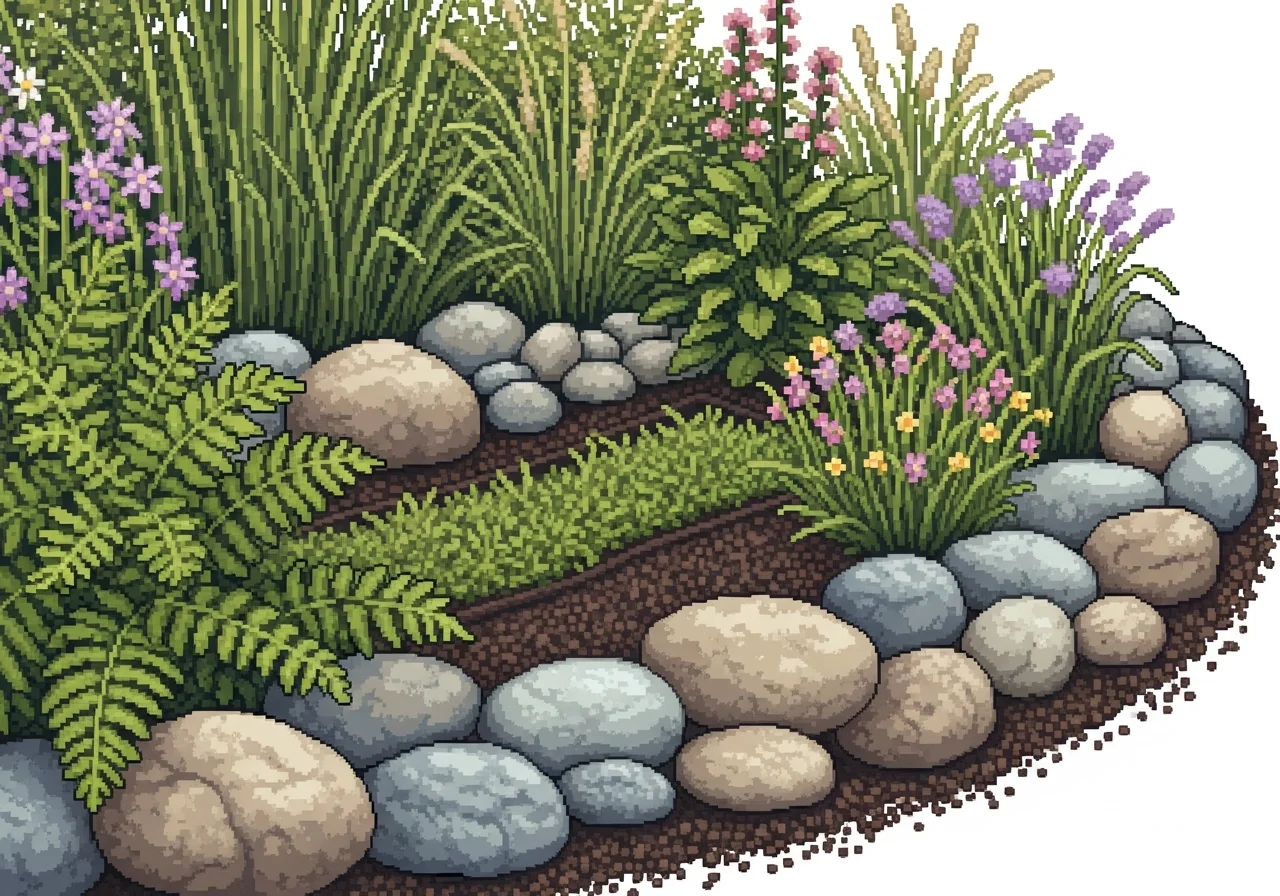
One of the most effective ways to tackle yard drainage issues is by incorporating sustainable landscaping practices. This approach not only addresses drainage problems but also promotes biodiversity and environmental health. For instance, creating a rain garden can serve as a beautiful and functional addition to your landscape.
Rain gardens are strategically placed to capture runoff from roofs, driveways, and other impervious surfaces. By employing native plants, these gardens help absorb excess water and filter pollutants, improving water quality. Additionally, they provide a habitat for wildlife, such as birds and pollinators, enhancing the ecological value of your yard.
Another sustainable practice is the use of permeable paving materials. Unlike traditional concrete or asphalt, permeable pavers allow water to seep through, reducing surface runoff. This can be particularly beneficial for driveways and walkways, where water accumulation is common. By incorporating permeable surfaces, you can effectively manage stormwater while maintaining a visually appealing landscape.
Need help with Drainage Problems in Your Yard: When Dirt Work May Help?