
Trees are a vital part of our natural landscape, providing aesthetic appeal, shade, and a habitat for wildlife. However, there are times when a tree may pose risks or hazards, necessitating its removal. Understanding when a tree needs to be removed can prevent potential damage to property and ensure safety for everyone involved.
Knowing the signs of a tree in distress can help you take action before it becomes a serious problem. Whether due to disease, structural instability, or environmental factors, recognizing these signs is crucial for any property owner or manager.
Signs of a Diseased or Dying Tree
One of the primary indicators that a tree may need to be removed is disease. Trees, like any other living organism, can suffer from various diseases that compromise their health and structural integrity. Fungal infections, for instance, often manifest as mushrooms growing at the base of the tree or along its trunk. This can indicate internal rot, which weakens the tree and makes it more susceptible to falling.
Other signs of disease include discolored or spotted leaves, dead branches, and an unusual or sparse leaf canopy. In some cases, you might notice a slimy or sticky substance on the tree’s bark, which can be a symptom of pest infestations or bacterial infections. If you observe any of these signs, it may be time to consult with an arborist to assess the tree’s health.
Structural Damage and Instability
Trees can also suffer from structural damage due to environmental factors. High winds, lightning strikes, or heavy snowfall can cause branches to break or trunks to crack. If you notice large cracks in the trunk or major limbs, the tree might be structurally compromised and at risk of falling.
Leaning is another critical indicator of instability. A tree that suddenly leans to one side could have root damage, especially if the soil appears lifted or disturbed around its base. In such cases, immediate action is often necessary to prevent the tree from collapsing unexpectedly.
Impact of Environmental Factors
Environmental changes can also affect the health of a tree. Construction activities, soil compaction, or changes in water drainage patterns can stress a tree, making it more vulnerable to disease and decay. For instance, if construction occurs near a tree, the roots may be damaged, leading to instability.
Moreover, prolonged periods of drought or flooding can stress a tree, affecting its ability to absorb nutrients. A stressed tree is more susceptible to pests and diseases, which can eventually lead to its decline. Monitoring changes in the environment around your trees is crucial for early detection of potential problems.
Proximity to Structures and Utilities
Sometimes a tree might not be diseased or damaged but still require removal due to its location. Trees growing too close to buildings, power lines, or other structures can pose significant risks. Over time, roots can damage foundations, while branches can interfere with electrical lines, causing outages or even fires.
In urban areas, municipalities often have regulations regarding tree proximity to structures and utilities. Understanding these regulations can help you determine when a tree’s location might necessitate removal.
Legal and Safety Considerations
Before deciding to remove a tree, it’s important to consider legal and safety aspects. Many regions have laws protecting certain tree species or those of a certain size or age. Cutting down a protected tree without a permit can result in hefty fines. It’s advisable to check with local authorities or a professional arborist if you’re unsure about the legal implications.
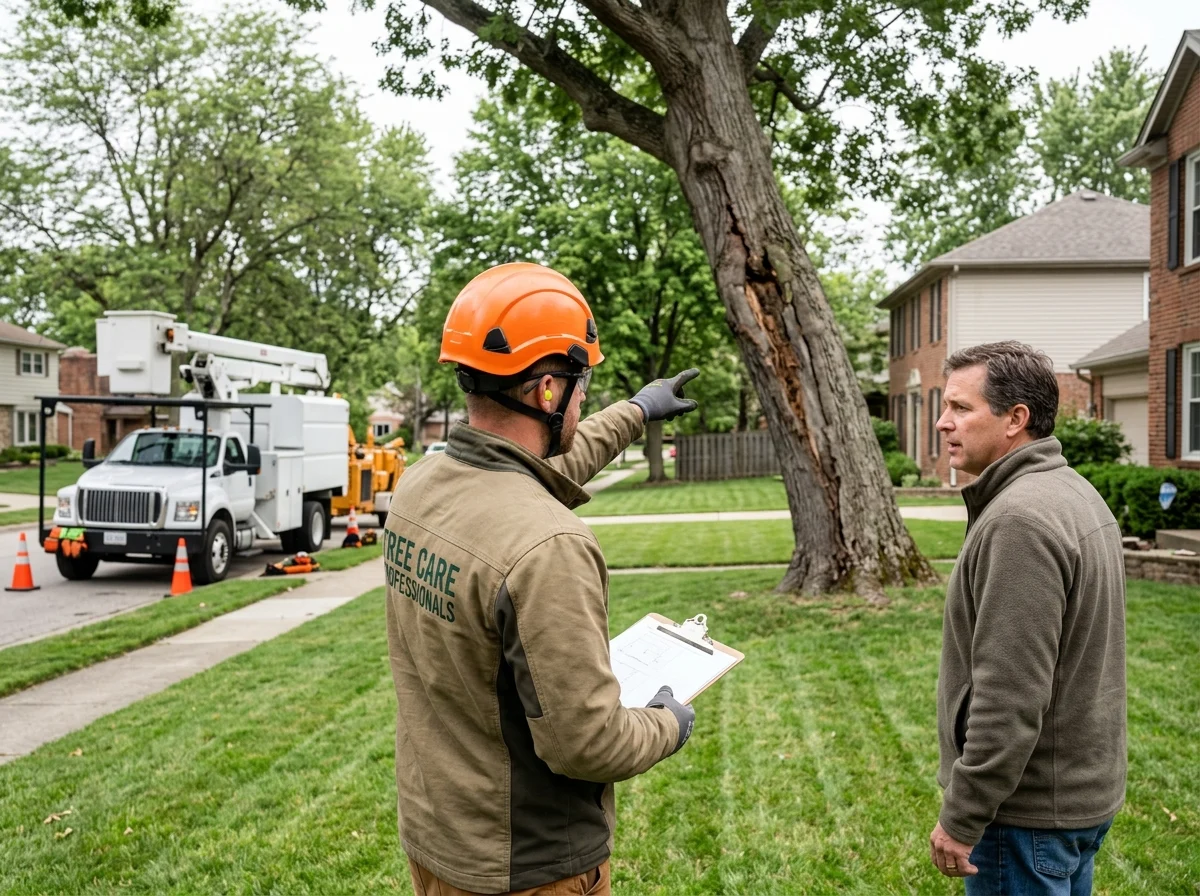
Safety is another primary concern. Removing a tree, especially a large or unstable one, can be dangerous and should be handled by professionals. They have the expertise and equipment to safely and efficiently remove trees, minimizing risks to property and individuals.
Consulting with Professionals
When in doubt, consulting with a certified arborist can provide valuable insights into the health and stability of a tree. Arborists are trained to assess trees and recommend the best course of action, whether it’s treatment, pruning, or removal. They can also help you understand the underlying causes of a tree’s decline, enabling you to take preventive measures for other trees on your property.
Additionally, arborists can assist with obtaining necessary permits and ensure that the removal process complies with local regulations and environmental guidelines.
Benefits of Timely Tree Removal
Removing a tree at the right time can prevent potential hazards and save money in the long run. A tree that’s diseased or unstable is a liability, posing risks to nearby structures, vehicles, and people. By addressing tree removal proactively, you can avoid costly repairs and potential legal issues stemming from property damage or personal injury.
Moreover, removing a problematic tree can promote the health of other nearby trees and plants by reducing competition for resources and minimizing the spread of pests or diseases.
Enhancing Property Value and Aesthetics
In addition to safety and health benefits, timely tree removal can also enhance the value and aesthetics of your property. Overgrown or unsightly trees can detract from your property’s curb appeal. By removing these trees, you can create space for new landscaping opportunities that better complement your property’s design and layout.
A well-maintained landscape not only increases property value but also contributes to a more enjoyable and visually pleasing environment for you and your neighbors.
Takeaways
Understanding when a tree needs to be removed is crucial for maintaining a safe and attractive environment. By recognizing the signs of disease, structural damage, and environmental stress, you can take timely action to address potential issues. Consulting with a professional arborist ensures that you receive expert advice and services, helping you make informed decisions about tree care and removal.
Ultimately, proactive tree management not only protects your property and enhances its value but also contributes to the overall health and sustainability of your landscape. If you’re uncertain about the condition of a tree on your property, don’t hesitate to seek professional guidance to ensure safety and peace of mind.
Regular assessments and maintenance are key components in ensuring the longevity and safety of trees on your property. By conducting routine tree inspections and maintenance, you can identify potential problems early and take corrective measures to prevent complications.
Need help with How to Know When a Tree Needs to Be Removed?