
Trees add beauty to our landscapes, provide shade, and support local ecosystems. However, when a tree becomes a safety hazard, it can pose serious risks to your property and personal safety. Recognizing the signs of a potentially dangerous tree is essential for preventing accidents and ensuring the health of your outdoor environment.
This article explores the various warning signs that a tree may be a safety risk near your home. By understanding these signs, you can take the necessary steps to mitigate risks and protect your property and loved ones.
Visible Signs of Tree Damage
One of the first indicators that a tree may be a safety risk is visible physical damage. Damage can occur due to storms, animal activity, or human interference. Check for broken or hanging branches, as these can fall unexpectedly and cause damage or injury. Additionally, splits or cracks in the trunk or limbs can weaken the tree’s structure.
Another visible sign to watch for is decay. Fungi, mushrooms, and other decay-producing organisms growing at the base of the tree or on its bark can indicate internal rot. This internal decay weakens the tree and increases the likelihood of failure. Regular inspections and professional assessments can help identify these issues early.
Leaning Trees
While some trees naturally grow at an angle, a sudden or increasing lean can be a sign of a more serious problem. If you notice a tree has begun to lean significantly, especially after a storm, it may indicate root damage or an unstable base. This can compromise the tree’s ability to remain upright, posing a risk of falling.
Assess the soil around the base of the tree. If you see disturbed or raised soil, it may be a sign that the roots have been uprooted or shifted. In such cases, contacting a professional is crucial to determine the tree’s stability and potential risk.
Health Issues in Trees
Trees, like any living organism, can suffer from various health issues that affect their stability and strength. One common problem is disease. Trees affected by diseases such as Dutch elm disease, oak wilt, or sudden oak death can weaken over time. Identifying symptoms such as discolored leaves, premature leaf drop, or unusual growths can be vital in diagnosing and treating these diseases.
Pest infestations can also severely impact tree health. Insects like the emerald ash borer or the Asian longhorned beetle are notorious for causing extensive damage. Visible signs of infestation include boreholes in the bark, sawdust-like frass, or wilting foliage. Addressing these infestations promptly with appropriate measures can save the tree and prevent it from becoming a safety hazard.
Root Problems
The root system is the foundation of a tree, providing stability and nutrients. Problems within the roots can often go unnoticed until it’s too late. Look for signs such as exposed roots, which can occur due to erosion, or girdling roots that wrap around the trunk and strangle the tree.
Soil compaction and poor drainage can also lead to root problems. These conditions limit the amount of oxygen and water that roots can absorb, ultimately weakening the tree. Ensuring the soil remains healthy and aerated can prevent potential root issues.
Environmental Factors
Environmental conditions play a significant role in tree health and safety. Extreme weather events such as hurricanes, tornadoes, or heavy snow can cause immense stress on trees. After such events, it’s essential to inspect your trees for any new damage or changes in condition.
Urban environments can also create unique challenges for trees. Limited space, air pollution, and the heat island effect can stress trees, making them more susceptible to disease and structural failure. Providing adequate care and maintenance is essential to counteract these environmental stresses.
Proximity to Structures
The location of a tree in relation to your home or other structures is a critical factor in assessing risk. Trees that are too close to buildings can cause damage to foundations, rooftops, and walls. Overhanging branches can fall during storms, causing significant property damage.
Consider the impact of root systems on underground utilities. Roots can infiltrate sewage lines or damage underground electrical cables. Regular monitoring and maintenance can prevent these issues from becoming costly problems.
Steps to Mitigate Tree Risks
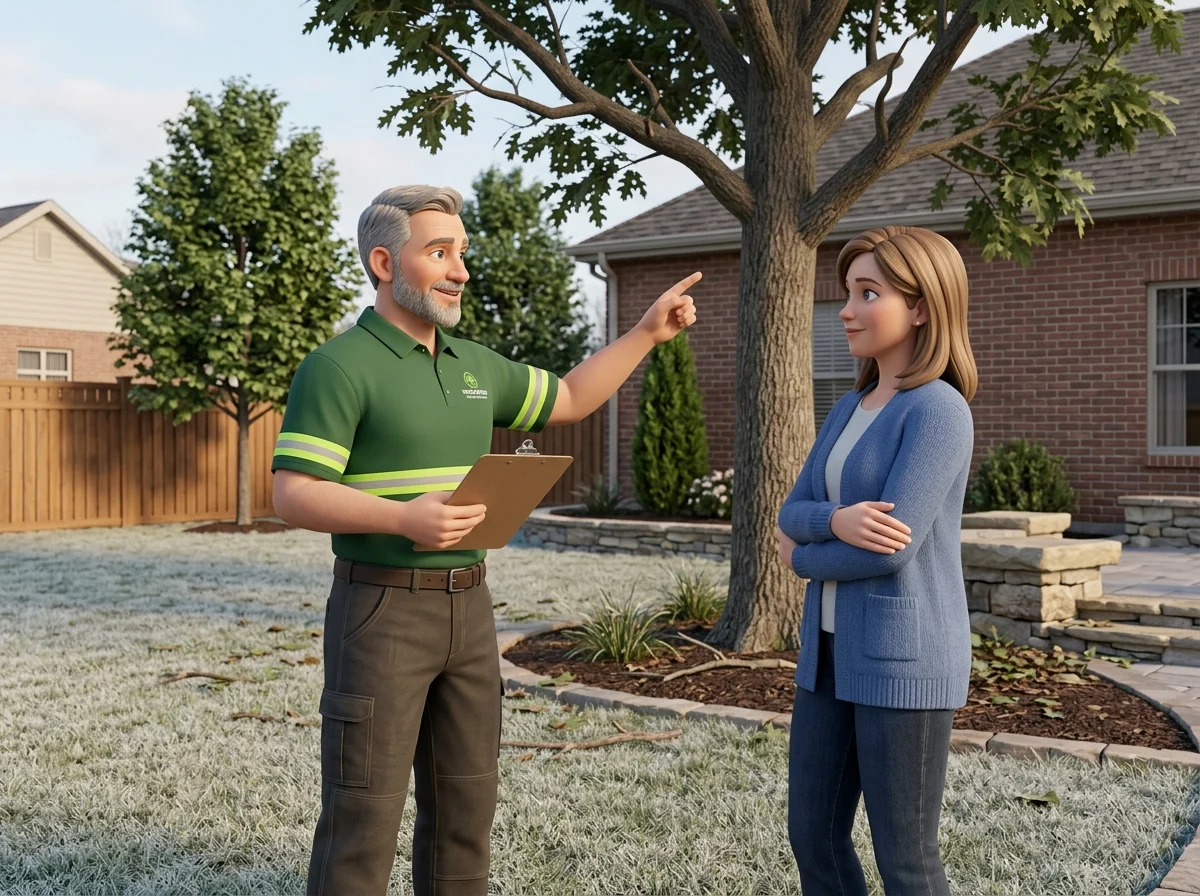
Once you’ve identified a potentially hazardous tree, taking proactive steps to mitigate risk is crucial. Begin by consulting with a professional arborist who can provide an expert assessment and recommend appropriate action. They may suggest pruning, cabling, or even removal if necessary.
Regular tree maintenance is vital in preventing long-term risks. This includes routine inspections, proper pruning techniques, and ensuring trees receive adequate water and nutrients. Implementing a care plan tailored to the specific needs of your trees can promote their health and longevity.
Community Resources and Support
Many communities offer resources and support for tree care and safety. Local extension offices, National Forest Service programs, or university horticulture departments often provide valuable information and assistance. Engaging with these resources can help you stay informed about best practices and available support.
Participation in community tree planting and care initiatives can also enhance local environmental health and safety. By working together, communities can promote better urban forestry practices and reduce the risks associated with hazardous trees.
Takeaways
Understanding the signs that a tree may pose a safety risk is essential in protecting your property and ensuring the safety of those around you. Regular inspections, awareness of environmental factors, and proactive maintenance can help prevent accidents and preserve the health and beauty of your trees.
By taking the time to assess and address potential risks, you can enjoy the many benefits that trees provide without compromising safety. Whether you’re dealing with visible damage, health issues, or environmental challenges, informed action is key to maintaining a safe and vibrant outdoor space for years to come.
In addition to routine assessments, staying informed about the latest tree care techniques and technologies can significantly enhance your ability to manage tree risks effectively. Innovations in arboriculture, such as advanced diagnostic tools and improved treatment methods, offer new ways to address tree health issues before they become critical.
Need help with Signs a Tree May Be a Safety Risk Near Your Home?